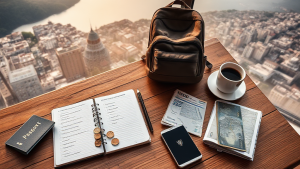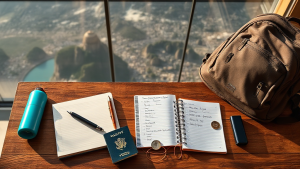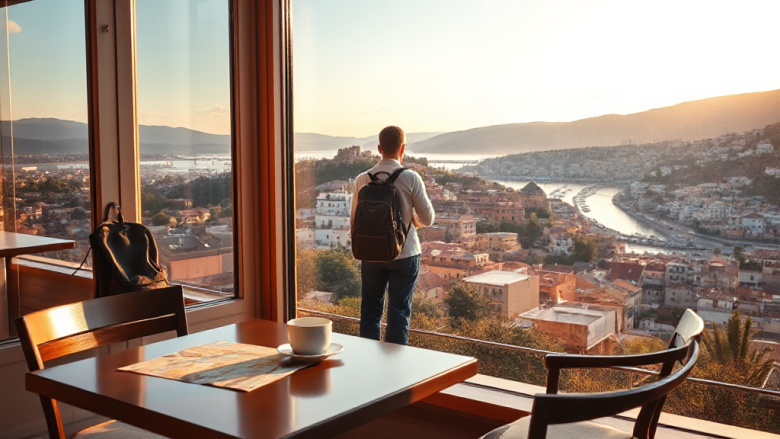
Going somewhere alone for the first time raises a lot of questions. Will I be safe? What happens if I get lonely? Isn’t it expensive? Do I need to book everything in advance? These are the questions almost every new solo traveller asks, and most of them have straightforward answers. This post tackles the most common ones directly, without jargon, without scare stories and without pretending everything is always easy. If you have been searching for solo travel questions answered simply, this is that post.
Is solo travel actually safe?
For most people, in most places, yes. The world is not divided into safe countries and dangerous countries; it is divided into sensible decisions and careless ones. The risks you face travelling alone are largely the same ones you face at home, just in unfamiliar packaging: getting lost late at night, trusting the wrong person, leaving your bag open on a busy street.
The practical difference is that you have no one to compare notes with. So you build small habits. You arrive in a new city in daylight if you can. You screenshot your route before you leave the wifi. You keep your phone in a zipped pocket rather than a back one. You tell someone at home roughly where you are staying. None of this is dramatic, and none of it takes much effort, but together it removes most of the risk that makes headlines.
Trust your gut, too. If a situation feels off, leave. You do not owe anyone politeness when your instincts are telling you something is wrong. The awkwardness of walking away lasts a minute; the alternative can last a lot longer.
One tip: before you go out each day, ask your accommodation host which areas are best avoided after dark. Local knowledge beats any forum thread.
Won’t I get lonely travelling alone?
Sometimes, yes. Loneliness is the most honest answer to this question, and anyone who claims otherwise is selling something. But it tends to arrive in short bursts rather than as a permanent state, usually at meal times or in the evening when the day’s momentum stops.
The good news is that loneliness is manageable, and solo travel is often less lonely than being surrounded by people you have nothing in common with. Hostels with shared kitchens, walking tours, cooking classes, language exchanges, day trips booked through your accommodation: all of these put you in a room with people who are also looking for company. You do not have to be outgoing. You just have to be willing to say hello once a day.
It also helps to plan for the low moments rather than being surprised by them. Have a book, a podcast, a favourite meal you can cook, a friend you can message. Knowing that the feeling passes, usually within an hour or two, makes it much less frightening when it shows up.
One tip: book one shared activity every two or three days. It gives you something to look forward to and a natural way to meet people without forcing it.
How much does solo travel really cost?
More than travelling as a pair, less than you might fear. The single supplement is real: a hotel room costs the same whether one person or two sleep in it, and tours sometimes charge extra for solo bookings. But you also have full control over your budget in a way couples and groups rarely do. You can eat a cheap lunch and skip dinner out. You can take the slow bus. You can stay three nights instead of two because you liked the town.
In practice, solo travellers often spend less per day than they expect, because there is no one to negotiate with about the nicer restaurant or the taxi instead of the tram. The trick is to be honest about which costs you actually care about. If a private room matters to you, pay for it and save elsewhere. If it doesn’t, hostels and guesthouses bring the daily cost down sharply.
One tip: track your spending for the first three days. That number, multiplied out, tells you more than any budget calculator.
Do I need to book everything in advance?
No, and trying to is one of the most common beginner mistakes. Over-booking turns a trip into a schedule and leaves no room for the recommendations you will only hear once you arrive. The person at the hostel desk, the couple on the walking tour, the waiter who liked your attempt at the local language: they will send you somewhere you have never heard of, and you will want the freedom to go.
That said, a few things are worth locking in. Your first night’s accommodation, so you are not solving a problem while jet-lagged. Any transport that sells out in peak season. And anything genuinely once-in-a-lifetime, like a specific hike permit or a popular museum slot. Everything else can wait until you are there.
Flexibility is not the same as chaos. It just means leaving space for the trip to become better than the plan.
One tip: book your first two nights and your last night, then leave the middle open. You get a soft landing and a guaranteed bed at the end without losing the freedom in between.
What if something goes wrong?
Things go wrong on every trip, solo or not. Bags get lost, trains get cancelled, you get a stomach bug on the day you planned to hike. The difference when you are alone is that there is no one else to sort it out, which sounds worse than it is. In practice, most problems have a boring solution: rebook, rest, ask for help, wait a day.
The two things that genuinely matter are money and documents. Keep a backup card separate from your main one, and keep digital copies of your passport and insurance details somewhere you can reach without wifi. If you get sick, your accommodation can usually point you to a clinic, and travel insurance exists precisely for the expensive version of that scenario.
Beyond that, remember that you are more capable than you think. The first time you solve a real problem alone in a foreign city, something shifts. You stop being someone on a trip and start being someone who travels.
One tip: save a photo of your passport, insurance policy and emergency contact in an offline folder on your phone before you fly.
Is solo travel right for me?
If you are asking the question, you are probably already curious enough to try it. You do not need to be fearless, extroverted or especially experienced. You need to be willing to be a beginner for a few days, which is uncomfortable but survivable.
Start small. A weekend in a nearby city, a few days somewhere you have been before, a short trip with a clear purpose like a course or a walk. That first trip will answer more questions than any article can, including the ones you did not know you had. You will learn how you like to travel, how much company you need, how you handle the quiet moments and what you want from the next trip.
And if it turns out solo travel is not for you, that is a useful answer too. There is no prize for forcing it. But most people who try it once come back with the same quiet realisation: the trip was fine, and so were they. That is really all solo travel questions answered simply can offer. The rest you find out by going.