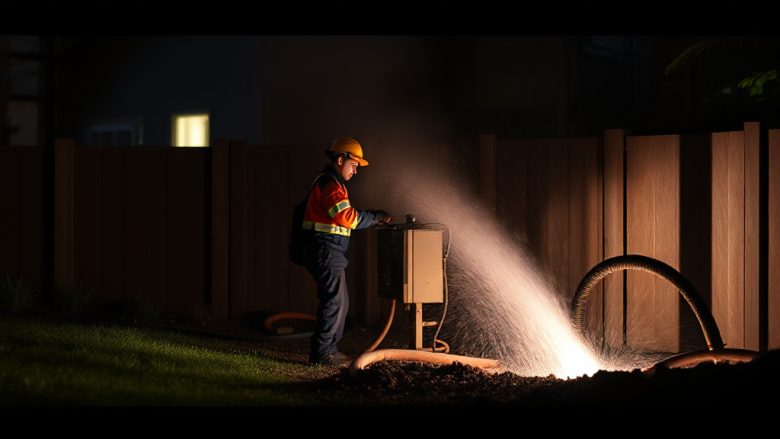
Septic Tank Pumping Schedules for Zona Norte Properties
If your property sits on the edge of Zona Norte where the public sewer network is partial, the most common question is simple: how often should a septic tank be pumped? The short answer is every three to five years for a typical household, but that interval shifts with tank size, occupancy, and how much solid waste and grease reach the system. For owners in this transition zone, knowing those variables is the difference between a predictable maintenance cost and an emergency call to a desentupidora barata em Zona Norte.
This article walks through the practical schedule questions we face as small-property owners with on-site systems: what changes the pumping frequency, which warning signs mean the tank is overdue, and how to plan the service so it stays affordable.
How Often Should You Pump a Septic Tank in Zona Norte?
Pumping frequency is not a fixed number; it is a calculation based on how fast sludge and scum layers build up. A small property with one or two residents can often stretch to five years, while a rented house with four or more occupants may need pumping every two to three years. The tank’s working volume matters just as much: an undersized tank fills faster and leaves less room for settling.
In areas of Zona Norte where the network is partial, many properties rely on older tanks that were sized for fewer people than currently live there. That mismatch is the main reason a schedule that worked for the previous owner fails for the new one. Before setting a date, confirm the tank capacity and count every person using the system, including long-term guests.
What Changes the Interval
- Occupancy: more people means more solids and a shorter cycle.
- Tank size: a larger working volume tolerates longer intervals.
- Water use: heavy laundry and long showers push solids toward the drain field.
- Garbage disposal use: food scraps add solids that do not break down quickly.
- Grease and oils: kitchen waste forms a thick scum layer that reduces capacity.
When several of these factors stack up, the safe move is to shorten the interval rather than wait for a backup. A planned pump-out is always cheaper than clearing a blocked line and replacing saturated soil.
Signs Your Tank Is Overdue for Pumping
Septic systems rarely fail without warning. Slow drains across the whole house, gurgling sounds in toilets, and odors near the tank or drain field are the early signals. If wastewater backs up into the lowest fixture, the tank is likely full of solids and the outlet is obstructed.
Another sign is a patch of unusually green, soggy grass over the drain field. That suggests liquid is surfacing instead of soaking away, which often means the tank has been sending solids downstream for months. At that point, pumping alone may not be enough; the lines may need clearing as well.
When to Call for Help
If you notice backups, strong odors, or slow drainage that persists after basic checks, it is time to bring in a technician. A desentupidora Zona Norte São Paulo SP team can inspect the tank, measure the sludge and scum layers, and tell you whether pumping will solve the problem or whether the drain field needs attention.
Do not wait for a full backup before scheduling. Emergency calls usually cost more and happen at the worst possible time, often at night or on a weekend.
Planning and Scheduling the Service
Scheduling a pump-out is straightforward once you know the tank location and capacity. Clear access to the tank lid, keep the area free of vehicles, and confirm whether the service includes hauling and disposing of the waste. Ask for the sludge and scum measurements before and after pumping so you can track the trend and adjust the next interval.
For properties on the edge of the network, it also helps to ask whether a connection to the public sewer is planned. If it is, you may only need one more pump-out before switching over. If not, a preventive maintenance plan makes more sense than reactive repairs.
Keeping Costs Predictable
Affordable service comes from planning, not from choosing the lowest quote alone. A provider that measures the tank, explains the findings, and offers a maintenance reminder is usually cheaper over several years than one that only responds to emergencies. If you need a reliable desentupidora em Zona Norte São Paulo SP, confirm the scope in writing before work begins.
Keep a simple log: date of pumping, number of occupants, and any drainage issues between services. That record makes it much easier to predict the next date instead of guessing.
Frequently Asked Questions
How often should a septic tank be pumped?
For most households, every three to five years. Shorten the interval if the tank is small, the household is large, or grease and food waste enter the system.
Can I pump the tank myself?
No. Pumping requires proper equipment and legal disposal of the waste. A licensed provider handles both safely and gives you a record of the service.
What happens if I skip pumping?
Solids travel into the drain field, clog the soil, and cause backups. Repairing or replacing a drain field costs far more than routine pumping.
Does a partial sewer network change the schedule?
It can. If a connection is coming soon, one final pump-out may be enough. Otherwise, keep a regular preventive schedule to avoid emergencies.